
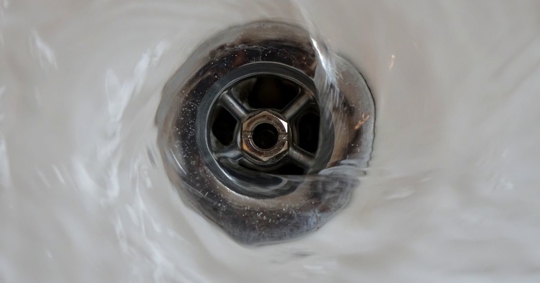
Slow Drainage in Various Fixtures
Sluggish Sinks: One of the sneaky culprits that tends to fly under the radar is slow drainage in our kitchen or bathroom sinks. It's easy to overlook this early sign of trouble when we're hustling through our daily routines. But trust me, if you've noticed your sink taking its sweet time to empty, it could be waving a red flag. Often, this sluggishness is due to residue buildup from food particles or hair that has cunningly tangled itself within the pipes. The more these materials accumulate, the narrower the passage for water to escape, slowing it down significantly.
Bathtub and Shower Delays: Let's face it, standing in a pool of water while showering is not exactly the highlight of anyone's day. When you experience this frustrating phenomenon, it's often an early sign that your drains are plotting against you. The usual suspects, like soap scum, mineral buildup, or accumulated hair, can be clogging the paths meant for water flow. In time, if neglected, this minor nuisance becomes a major blockade—a hairstylist gone wrong, if you will, causing water to back up around your feet in the shower.
Persistent Odors and Foul Smells
Identifying Bad Smells: Have you been sniffing around your kitchen or bathroom, mistaking the source of a peculiar odor as your forgotten lunch? That unpleasant smell could actually stem from your drains, courtesy of trapped food particles or organic waste. These putrid smells can become more than a nuisance; they can disrupt the sanctity of your living space. As these materials sit and decompose, they give off that unmistakable, offensive odor signaling their presence.
Venting Issues: Beyond trapped materials, there could be an underlying problem exacerbating the issue—your home's venting system. Proper venting is crucial in carrying away unwanted gases, but when it's compromised, these noxious smells can seep into various areas of your home. Suddenly, what was once an isolated issue in your bathroom may permeate to your kitchen, lingering like an unwanted guest at a cocktail party. Proper attention to venting can prevent these odor issues from spiraling out of control.
Gurgling Sounds and Air Bubbles
Source of Gurgling Noises: Ever heard mysterious gurgling sounds echoing from your drains and wondered if your house was haunted? Fear not—it's likely just air pockets within your plumbing acting up due to partial blockages. Air that's trapped behind a clog struggles to escape, and as the water tries to wash it away, you get that characteristic gurgling sound. It’s like the sound of a drain trying to tell you, "Help me!" before it shuts down completely.
Diagnosing Through Bubbles: If you catch bubbles happily surfacing in your sink or tub, they’re not just being playful. These air bubbles appear because air is being displaced by slow-moving water—a telltale sign that there’s an obstruction down below. When bubbles appear, it’s essentially your drain sending out an SOS through an underwater telegraph system, indicating that there’s trouble ahead if you ignore the signs.
Unusual Noises Across Appliances
Impact on Home Appliances: It's easy to dismiss strange sounds coming from your trusty dishwasher or washing machine after years of relentless hard work. However, erratic or loud sounds during their cycle can indicate systemic drainage issues beyond a simple appliance malfunction. These noises might result from blocked pathways that affect water flow, causing your machines to struggle to complete their routines efficiently. Not only does this strain them mechanically, but it can also hint at broader plumbing issues needing attention.
Water Backup and Overflow
Basement Drains and Overflows: Water backing up through your basement drains is no minor inconvenience—it's a potential hazard to your home’s integrity. Basement flooding resulting from stubborn clogs can cause vast amounts of water to accumulate, risking damage to your belongings and even your home’s foundational structure. Often lurking out of sight, these insidious blockages pose a threat that escalates quickly if not addressed, demanding swift action to avoid costly repairs.
Sink and Toilet Overflows: When a sink or toilet decides to overflow unceremoniously, it’s more than just an embarrassing mishap in front of guests. These overflows often indicate severe clogs that prevent proper flushing, thus forcing water back through the path it came—a pathway even I wouldn’t venture down! Immediate action is advisable to prevent further damage and ensure these fundamental fixtures function seamlessly again.
Mold and Mildew Growth
Detecting Growth Above and Below: When you notice mold or mildew popping up in areas around your fixtures or underneath your sink, it’s often a direct consequence of leaks caused by persistent clogs. These fungi thrive in damp environments, and clogged drains that perpetually foster leaks provide just the right habitat. As Irish luck would have it, finding mold tends to be a sure sign that a clog somewhere down the line needs resolving to restore both cleanliness and air quality in your home.
Surface-Level vs. Deep Clogs
Surface Clog Indicators: How do you tell a surface clog from a more entrenched issue lurking deep within your pipes? Surface clogs, often resulting from visible hindrances such as hair tangles or small food particles near the drain's opening, can usually be tackled with simple interventions. These obstructions tend to affect a single fixture, making them more straightforward to identify and address before they compound into deeper-seated drain dilemmas.
Identifying Sewer Line Issues: However, if multiple drains show signs of distress or your garden seems to have annexed part of your plumbing system, your issues might trace back to the main sewer line. Tree roots, foundational shifts, or even collapses within municipal lines might be the sneaky saboteurs. Recognizing these symptoms is crucial for initiating the right steps to address what is essentially a larger systemic challenge, which often requires professional intervention.
Common Household Contributors
Everyday Items Causing Clogs: Several common household items are notorious for their sabotaging tendencies. Hair, grease, and foreign objects like sanitary products or unassuming bits of broken jewelry have a tendency to congregate mischievously, forming tight barricades within your plumbing system. Singlehandedly, they might pose minimal threat, but collectively, these culprits can brew a storm, leading to repeated clogs and leaving you relying more heavily on your plungers.
Plumbing System Red Flags: If you find yourself consistently fighting back the same clogs, it might suggest a larger issue at hand. Repeated clogging may indicate a systemic issue within your home’s plumbing, requiring a thorough evaluation. Think of it as your home's recurrent attempt to reach out for help—persistent issues often demand a deeper examination by a seasoned plumber to safeguard and optimize your plumbing's longevity efficiently.
DIY Strategies and Tools
Simple DIY Solutions: Before surrendering entirely to the professionals, why not take a crack at some straightforward DIY methods? Baking soda and vinegar have gained notoriety, not only for baking but also for their unclogging prowess. A few rounds of this bubbling solution can alleviate minor blockages naturally. Additionally, plunging or utilizing a simple drain snake may free up less-complex obstructions, allowing you to become a DIY hero within your own plumbing narrative.
Tools for Regular Maintenance: You can work around clogs altogether with a robust maintenance routine. Simple tools such as drain screens work wonders in capturing debris before it makes its dastardly foray into your plumbing. Dedicating time to routine and minor upkeep can significantly mitigate the risk of full-fledged clogs manifesting, offering both peace of mind and the luxury of uninterrupted water flow in your home.
When to Call a Professional
Evaluating Complexity: There comes a time when, despite all efforts, a problem remains vexingly unsolvable. How do you know when it's time to call for professional reinforcements? Persistent drainage issues with no apparent resolution—gurgling, foul smells, or systemic failures—warrant an expert's touch. Evaluation by a qualified plumber like O'Leary Plumbing, Heating & Electrical in East Troy, WI, ensures that such stubborn problems are addressed efficiently and effectively.
Cost vs. Benefit of Professional Services: The advantages of early intervention by experienced professionals are profound. Though it might require an upfront expense, early diagnosis and repair prevent spiraling costs from extensive damage that neglected plumbing issues can incur. Partnering with trusted professionals ensures that your home remains in optimal condition, sparing you unforeseen future hassles.
Get Rid of Drain Clogs ASAP with O'Leary Plumbing, Heating & Electrical
By addressing drain clogs now with O'Leary Plumbing, you'll benefit from years of expertise. Let us help your plumbing system sustain the flow of water with ease with our expert drain cleaning services. Contact us today to keep your drains clear and your worries at bay!
Call O'Leary Plumbing, Heating & Electrical now at (262) 314-4566 or send us a message online.