
Understanding Circuit Breakers and Common Causes of Tripping
Basics of Circuit Breakers:
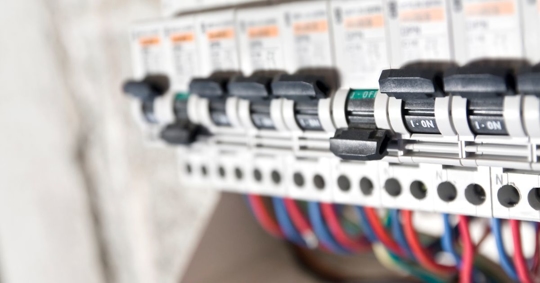
The primary function of circuit breakers is to protect your home's electrical wiring from the dangers of electrical overloads, short circuits, and faults. They act as a safeguard by automatically interrupting the current flow when they detect an abnormal flow of electricity. This interruption helps prevent potential fires, equipment damage, and electrical shock. Essentially, circuit breakers are the unsung heroes constantly monitoring your home’s electrical network to ensure energy is managed safely. By cutting off the electricity in problematic scenarios, these devices help maintain a safer and more efficient electrical system in your household.
Designed with both safety and efficiency in mind, circuit breakers have become an indispensable component of modern electrical systems. Every time a breaker trips, it's responding to an electrical anomaly, often protecting the circuitry from overheating and potential hazards. Whether you're running multiple high-power appliances simultaneously or experiencing a power surge, the breaker acts instantaneously to disconnect the circuit, keeping your home secure. Understanding how these devices function will help homeowners manage their electrical usage better and maintain an optimal home environment.
Common Causes of Tripped Circuit Breakers:
Several factors can cause your circuit breakers to trip. One of the most common issues is overloading circuits, which occurs when there is a higher current demand than what the system can safely handle. This often results from operating multiple heavy-duty appliances simultaneously. Short circuits present another common cause, occurring when the hot wire comes into contact with a neutral wire, causing an excess flow that trips the breaker. Ground faults are similar but involve a hot wire touching a ground wire or grounded part of a junction box, posing a significant electrical risk.
According to electrical experts, recognizing these issues in residential settings is crucial. For example, if you frequently find your breaker tripping after running the toaster and microwave at the same time, it’s likely due to an overloaded circuit. Similarly, sparks or unusual noises could signal a short circuit or ground fault. Awareness of these signs and timely intervention can help mitigate risks and maintain a stable and safe electrical environment in your home.
Recognizing Signs of Overloaded Circuits:
Circuit overloads are often noticeable, yet easily overlooked by an untrained eye. Frequent tripping during appliance use, flickering lights, and a slight buzzing noise from the breaker panel are significant indicators. Additionally, rooms with insufficient outlets, relying heavily on extension cords, can exhibit similar overload signs. When these manifestations are observed, it is vital to address these instances promptly to prevent potential hazards and equipment damage.
Upon encountering any of these warning signs, the immediate steps would include unplugging non-essential appliances and redistributing the electrical load among other circuits when possible. Investing time in recognizing these signs will not only help preserve your home’s electrical health but also promote greater safety and energy efficiency. Always remember, if issues persist beyond your control, seeking professional assistance is the wisest course of action.
Steps to Diagnose and Fix Tripped Circuit Breakers
Identifying the Problematic Circuit:
Finding the specific circuit that's causing your breaker to trip involves a systematic process of elimination. First, ensure your safety by turning off all connected appliances and lights. Then, reset the tripped breaker. Gradually turn on each appliance or device connected to the circuit and observe any tripping. The appliance or circuit that causes the breaker to trip again is likely the culprit.
A complete circuit map of your home can be advantageous, allowing you to identify the problematic area efficiently. Several tools can assist in this troubleshooting process. An outlet tester is useful for checking power and grounding issues, while a multimeter can measure electrical values to detect anomalies. Remember, adhering to safety remains paramount; secure insulated gloves and protective gear before beginning your inspection.
Inspecting and Addressing Overloaded Circuits:
Once the overloaded circuit has been identified, distributing the electrical load is crucial. Begin by unplugging non-essential devices and avoiding the simultaneous use of high-wattage appliances. For homes frequently accommodating multiple high-power tools, there might be a necessity for circuit upgrades to handle greater capacities. Consulting with an electrician can really make a difference, ensuring resident circuits are kept up-to-date with the latest safety standards.
Relocating heavy load appliances like microwaves or space heaters to a different circuit if they frequently trip the current one is a wise strategy. Additionally, consider using power strips with built-in surge protectors to distribute power evenly without overloading sockets. Implementing these measures can greatly enhance electrical safety and efficiency, minimizing the risk of future overloads.
Checking for Faulty Appliances or Wiring:
Beyond circuit breakers and outlet management, faulty appliances or wiring could also be culprits for frequent tripping. Inspect appliances for signs of wear, such as frayed power cords or visibly damaged plugs, which might be causing the issue. Another common issue involves outlets or worn wiring, often indicated by visible scorch marks or scorching smells.
If detailed inspection uncovers any suspicious faults, or if problems persist amidst comprehensive troubleshooting, it's best to schedule an assessment with a professional electrician in East Troy, WI. Experts like O'Leary Plumbing, Heating & Electrical provide meticulous assessments, ensuring all potential hazards are addressed, facilitating a more reliable electrical setup in your home.
Preventative Measures to Avoid Tripping
Balancing Your Electrical Load:
A well-balanced electrical load is paramount to preventing frequent circuit breaker trips. Using power strips equipped with built-in switches and surge protectors allows for even distribution of power while simultaneously reducing the risk of an overloaded circuit. Designate dedicated circuits with higher capacities for power-intensive appliances like refrigerators or air conditioning units for optimal safety and performance.
Additionally, energy management solutions such as circuit splitters or smart breakers allow for an automated distribution of electricity, reducing the likelihood of overloads. These technological innovations not only provide peace of mind but also help foster an efficient energy system within your household. Always consult with qualified professionals when considering electrical modifications to ensure all installations meet local safety regulations.
Routine Maintenance and Safety Precautions:
Conducting routine checks of electrical outlets, wiring integrity, and circuit panels is a proactive approach to avoiding troublesome electrical tripping. Developing a regular maintenance schedule helps in spotting potential issues before they escalate. Upgrading outdated electrical systems to modern standards significantly lowers risks associated with older setups known to fail under stress.
Emphasize safety by familiarizing yourself with the proper handling of electrical components. Regularly clean breaker panels, inspect cords, and test safety features like GFCIs. Such diligent practices ensure a lasting, safe, and efficient electrical system, reducing the incidence of minor electrical annoyances that could lead to larger issues if left unchecked.
Investing in Modern Electrical Solutions:
Technology provides numerous advancements that modernize and safeguard your home’s electrical system. Smart circuit breakers, for instance, allow homeowners to receive real-time feedback on energy usage and instantly detect potential overloads before they trip. Similarly, home energy monitoring systems provide insightful data on where and when the most power is consumed, allowing adjustments for better energy management.
These technological upgrades integrate convenience with safety, offering preventative measures that effectively minimize the risk of circuit trips. Collaborating with professionals in such installations will ensure correct protocols are observed, aiding in seamless and efficient transitions for residents in East Troy, WI, and beyond.
When to Seek Professional Help
Signs That Require Professional Attention:
Certain electrical issues should—without a doubt—trigger a call to a professional. If your circuit breaker continues to trip despite efforts to diagnose the issue, or if you smell burning or notice visible damage to the breaker, it’s time to bring in expert knowledge. These are not just signs of inconvenience, but of potential dangers lurking beneath the surface, posing risks of shocks or electrical fires.
Such scenarios underscore the importance of immediate professional intervention. Experienced electricians have the tools and expertise to pinpoint and rectify issues, safeguarding your home’s electrical integrity. They can provide thorough inspections, addressing hidden flaws that could compound over time, averting both damage and associated costs.
Choosing the Right Electrician:
Selecting a qualified electrician is crucial to receiving reliable service. Begin by checking for certifications and licenses, ensuring they meet local East Troy regulations. Recommendations from trusted friends or community members can significantly impact your choice, offering insights into the reliability and quality of service. Obtain multiple quotes to compare service offerings and costs effectively.
Additionally, consider the value of customer service and the electrician’s demonstrated ability to communicate electricity matters clearly. Establishing expectations during the initial consultation ensures a transparent understanding of the work scope and associated fees, promoting a positive and stress-free experience.
Discussing Long-Term Solutions with Experts:
Open dialogues with electricians about advancing your home’s electrical infrastructure offer numerous benefits. Professional advice on service panel upgrades or expanding your current electrical capacity preemptively addresses future needs, providing increased energy efficiency and better household functionality.
Long-term planning with your East Troy electrician allows for customized adaptations to meet specific energy needs, resulting in a modern, robust system. Such enhancements can significantly reduce operational costs over time, provide easy adaptability to renewable energy sources, and offer greater security, making your home a safer haven for you and your family.
Frequently Asked Questions and Additional Resources
Commonly Asked Questions About Circuit Breakers:
Many homeowners share inquiries regarding their home’s electrical systems. Questions such as the differences between fuse boxes and circuit breakers, the average lifespan of breakers, and understanding breaker panel labels often arise. Understanding these aspects aids in making informed decisions about your household’s energy management and safety measures.
If you’ve ever pondered replacing a circuit breaker system or questioned whether a breaker’s constant tripping signifies replacement, it is helpful to consult reliable sources or professionals. Engaging with reputable electrical contractors can bridge understanding gaps and enhance home electrical management.
Resources for Further Learning:
Further understanding of electrical systems and troubleshooting can be achieved through various outlets. Websites from reputable electrical safety organizations offer insightful articles aimed at both beginners and experienced individuals undertaking DIY projects. Comprehensive video content and literature are also accessible, detailing steps for inspections and diagnostics.
Consider resources from industry leaders, like home energy audits or seminars, providing refreshed information on managing household electricity efficiently. While DIY efforts can be educational, they should be done with caution, emphasizing safety first, backed by expert consultations for any complex issues.
Keep Your Electrical System Safe with O'Leary Plumbing, Heating & Electrical
At O'Leary Plumbing, Heating & Electrical, we understand the importance of a safe and reliable electrical system. If circuit breaker issues persist or you’re considering electrical upgrades, our team of experts is ready to assist. Contact us today to ensure your home’s electrical system is operating at its best.
Call O'Leary Plumbing, Heating & Electrical now at (262) 314-4566 or send us a message online.