
Understanding the Role of Air Filters in Indoor Air Quality
How Air Filters Function in HVAC Systems:
Air filters play a critical role in maintaining indoor air quality by removing contaminants from the air before they circulate through an HVAC system. These filters work through a mechanism of filtration that captures various particles, including dust, pollen, pet dander, and even bacteria and viruses, depending on the filter's efficiency. By trapping these unwanted particles, air filters ensure that the air being recirculated into your living spaces is clean and safe to breathe. Many filters are composed of a mesh-like material that allows air to pass through while capturing larger particles, though finer particles may require higher-quality filters, such as HEPA (High-Efficiency Particulate Air) filters, to be captured effectively. Ultimately, the function of these air filters extends beyond mere filtration, significantly impacting the overall health of those inhabiting the space.
Moreover, clean air filters contribute immensely to the efficiency of HVAC systems. When filters are regularly cleaned or replaced, the HVAC system doesn't have to work as hard to push air through the ducts, thereby reducing energy consumption and extending the system's lifespan. Dirty filters, on the other hand, restrict airflow, leading to inefficient heating or cooling, and potentially increasing the system's energy demands. Over time, the strain caused by clogged filters can escalate to system failures or costly repairs. By ensuring filters are clean, homeowners can enjoy a comfortable living environment while being conscious of their energy use and potentially lowering utility bills.
Common Airborne Contaminants Before Spring:
As the seasons transition from winter to spring, specific airborne contaminants become increasingly prevalent. In anticipation of spring, late winter often brings with it an uptick in pollen, dust, and mold spores, especially as dormant plants begin their growth cycles anew. These pollutants can infiltrate indoor spaces, exacerbating allergies and respiratory issues for those already sensitive. During this time, it's vital to be aware of rising pollen levels, as plants release these microscopic particles into the air as part of their reproductive process. In addition, molds that remain dormant during the winter's cold may also become more active, fueled by increasing temperatures and moisture levels.
The impact of these springtime contaminants on allergies and health is significant. Individuals prone to asthma or allergic reactions may experience heightened symptoms such as sneezing, coughing, itchy eyes, and more severe respiratory issues when exposed to increased levels of indoor pollutants. The presence of mold spores can also contribute to poor indoor air quality, as well as potential structural damage if left unchecked. Prioritizing air filter maintenance during these periods can offer a level of household protection, providing a proactive approach to ensuring air remains clean and contaminants are kept at bay.
Signs Your Air Filter Needs Changing:
Knowing when to replace your air filter is essential for maintaining a healthy indoor environment. One of the first signs that a filter requires attention is its physical appearance. If a glance reveals visible dirt accumulation or a noticeable discoloration, it is likely time for a change. Additionally, a musty smell emanating from the HVAC system can be a clear indicator that the filter has reached its capacity for handling airborne particles, allowing buildup to affect the system's output. Timely replacements can help avert issues such as unpleasant odors and maintain airflow quality within the home.
Beyond the physical signs, certain symptoms within the household can also suggest that a clogged filter is in need of replacement. Increased allergy symptoms among occupants, such as persistent sneezing or nasal congestion, often hint at poor indoor air quality, potentially worsened by an old filter. Furthermore, a reduced flow of air from vents signifies that a filter is obstructed, making it challenging for the HVAC system to function optimally. Recognizing these signs not only helps maintain better air quality but also ensures the HVAC system runs efficiently and lasts longer.
Timing Your Air Filter Replacement: Why "Before Spring" Matters
Seasonal Pollutant Increases and Filtration Needs:
As spring approaches, the environmental shift brings along a noticeable increase in seasonal pollutants, such as pollen and allergens, which can subtly build up even before the season officially begins. This is why it’s crucial to anticipate this spike by replacing air filters just before spring sets in. Doing so offers preemptive protection for allergy sufferers who are particularly sensitive during this time. During late winter, plants awaken, causing pollen to fill the air, and if air filters are in suboptimal condition, these particles can easily infiltrate homes, worsening indoor air quality.
Replacing air filters before spring ensures that your HVAC system is prepared to manage the increased filtering demands brought about by seasonal changes. A fresh filter can catch a higher volume of these particles, reducing the potential for family members to suffer from heightened allergy symptoms. Proactive maintenance not only supports health efforts but also eases the load on HVAC systems by ensuring that air can flow freely and efficiently throughout the home. This preemptive action aligns perfectly with the principles of responsible home maintenance, safeguarding your living environment against pollutants that accompany seasonal transitions.
Optimizing HVAC Performance Before Warmer Weather:
Another vital reason to consider timely air filter replacements before spring is to optimize HVAC performance for the demands of warmer weather. As temperatures rise, your HVAC system will undoubtedly face increased usage. Entering this phase with clean filters reduces undue strain on the system, as it doesn't have to work excessively to maintain desired temperatures. This preparation not only ensures smoother operation but also positions your system for peak performance during the hot summer months, where reliance on a well-functioning cooling system is critical.
There are also financial incentives tied to maintaining clean air filters. By reducing system strain through periodic filter replacements, homeowners can potentially see a marked difference in their energy consumption levels. Clean filters allow the system to operate efficiently, translating to lower energy bills and diminished operational costs. Furthermore, regular maintenance reduces the need for repairs and prolongs the lifespan of HVAC units, creating long-term savings. An investment in your system through timely filter changes is an investment in home comfort and efficiency as seasonal demands shift.
Preventing Mold and Moisture-Related Issues After Winter:
Transitioning from winter to spring often involves enduring moist conditions due to melting snow and increased humidity — a situation that poses a substantial risk for mold growth within homes. When HVAC air filters are neglected, they can become moist, serving as breeding grounds for mold and bacteria. As mold spores infiltrate indoor spaces, they can cause health issues and structural harm when left unchecked. By replacing air filters in a timely manner, homeowners can curtail the potential for mold proliferation as temperatures increase.
Mold is not merely an air quality issue but can indicate greater moisture-related troubles. Condensation within ducts or cooling coils can lead to compromised air filters, making timely replacements an essential preventive measure. Ensuring filters are clean and dry helps limit mold growth and supports the home's structural integrity. Prevention and caution, guided by informed routine maintenance, are vital in swiftly adapting to seasonal transitions without compromising indoor quality or personal health.
Choosing the Right Air Filter for Spring Readiness
Understanding MERV Ratings and Their Importance:
The Minimum Efficiency Reporting Value (MERV) rating is a key factor in selecting the appropriate air filter for your home's specific needs. This rating, which ranges from 1 to 20, measures a filter's ability to capture particles of various sizes; the higher the MERV rating, the more efficient the filter is at trapping small particles. For residential use, filters with a MERV rating between 8 and 13 are common, balancing effective filtration with acceptable airflow. On the other hand, commercial settings might require filters rated MERV 14 and above to handle the heavy load of contaminants in larger spaces.
Choosing a MERV rating depends significantly on household needs, specifically any allergy or respiratory concerns that might necessitate more robust filtration. Aiming for more specialized filters, such as those with higher MERV ratings, is beneficial if dealing with extreme environmental allergens or pollutants. However, it's worth noting that while a high MERV rating indicates better filtration, it can also restrict airflow if the HVAC system isn't capable of handling it, emphasizing the importance of understanding your unit’s capacity.
Navigating Different Types of Air Filters:
When selecting air filters, homeowners are often confronted with choices like standard fiberglass, pleated, and HEPA filters, each offering unique benefits tailored to specific needs and budgets. Fiberglass filters are among the most economical and are designed to protect HVAC equipment while capturing larger particles. Although budget-friendly, they may not provide the high level of filtration required by those dealing with allergies or asthma. In contrast, pleated filters, made from denser materials, enhance particle trapping ability without significantly inhibiting airflow, providing better protection against common spring allergens.
HEPA filters stand at the pinnacle of filtration effectiveness, capable of capturing up to 99.97% of particles as small as 0.3 microns. While their advanced filtration ability makes them ideal for environments prioritizing superior air quality and allergen reduction, they come at a premium price and can impose greater airflow restrictions on HVAC systems. In selecting the appropriate filter, consider both the specific environmental needs and the capabilities of your HVAC unit to ensure a balance between protection and performance.
Environmental Impact and Sustainable Choices:
As environmental consciousness grows, attention is increasingly being paid to the impact of disposable air filters and the role they play in waste generation. Traditional disposable filters contribute to landfill waste, especially when changed regularly. As a response, many homeowners are turning toward more sustainable alternatives. Reusable air filters, which can be washed and reused, offer an eco-friendly option by reducing waste, although they may require more maintenance to ensure their long-term effectiveness.
In addition to reusable options, innovation within air filter technology continues to advance toward greener solutions. Filters made from recycled materials or designed to biodegrade present an opportunity for environmentally-conscious individuals to make responsible choices without compromising air quality. By opting for these sustainable filters, homeowners can contribute to sustainability efforts while maintaining clean and healthy living environments, highlighting the intersection of eco-friendly practices and indoor air quality management.
Practical Tips for Air Filter Maintenance
Developing a Regular Replacement Schedule:
Consistent air filter maintenance is indispensable for maintaining indoor air quality. Establishing a regular replacement schedule is key to ensuring optimal performance throughout the year. Typically, filters should be replaced every 60 to 90 days, though factors such as home size, occupancy, pets, and allergy sensitivities can necessitate more frequent changes. During allergy season or for homes with multiple pets, switching filters every 30 to 60 days might be more suitable. Keeping track of these schedules can be facilitated by marking dates on a calendar or setting reminders in a digital planner, enabling timely maintenance.
For precise scheduling, consider the specific indoor environment and air filter type, as these can significantly influence replacement frequency. High-efficiency filters, for instance, often require more regular replacements, given their dense composition and higher filtration load. Clear guidelines paired with a reliable schedule lessen the likelihood of reaching a point where filters become clogged, ensuring both the HVAC system and indoor air quality remain at their best.
DIY Replacement: A Step-by-Step Guide:
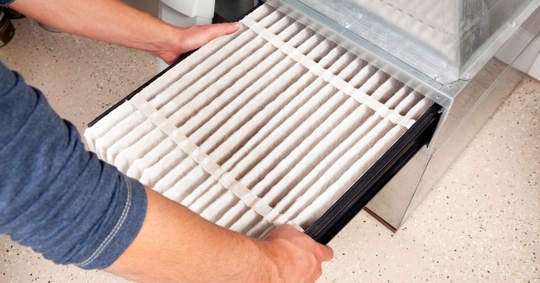
Replacing air filters is a straightforward DIY task that any homeowner can undertake with confidence. The process typically involves turning off the HVAC system to ensure safety and removing the existing filter by carefully sliding it out of its slot. Next, inspect the filter to confirm the need for replacement — a thick layer of dust or discoloration is a sure sign that it's time for a new one. When installing the new filter, make sure to match the airflow direction arrow printed on the frame with the airflow direction of your system to guarantee proper functionality.
For this replacement task, homeowners should have a few simple tools at hand, including a flashlight for visibility and possibly a screwdriver if the filter compartment is closed with screws. Maintaining a checklist ensures nothing is overlooked during the replacement, minimizing errors and optimizing the process. With these steps, any homeowner can efficiently manage filter replacements, maintaining indoor air quality and system performance.
Professional Servicing and Monitoring:
While DIY filter maintenance is manageable, there are significant advantages to enlisting professional HVAC inspections and maintenance routines, especially during seasonal transitions. Professional services provide the expertise to recognize potential issues that may be overlooked by the untrained eye. An experienced technician can assess your system's overall health, provide cleaning and lubrication where necessary, and identify looming issues that could jeopardize efficient function, maintaining home comfort and safety as priority concerns.
Moreover, technological solutions exist for continuous air quality monitoring, offering real-time feedback on filter performance and indoor air quality levels. These systems alert homeowners when air quality dips or when a change of filters is urgent, combining the convenience of technology with the reassurance of professional inputs. By pairing professional servicing with individual efforts, residents can maintain their HVAC systems' optimal performance while ensuring a healthier living environment year-round.
Addressing Common Concerns and Misconceptions
Debunking Air Filter Myths:
Misunderstandings about air filters can lead to inefficient use and dissatisfaction. One common myth is the belief that higher MERV ratings always yield better results. While high MERV-rated filters can trap smaller particles, they can also restrict airflow if the HVAC system is not designed to accommodate them. This stresses the system and may reduce overall efficiency. It's essential to match a filter's capacity with the unit's capabilities for optimal results. Homeowners should not assume a single solution fits all scenarios and instead evaluate their specific needs and system requirements.
Another prevalent myth is that less frequent filter changes save money. While it may seem economical, neglecting regular replacements escalates energy costs due to decreased system efficiency and can lead to costly repairs or replacements. A clean, appropriately rated air filter can enhance system performance and extend its life, disproving the notion that cutting back on filter maintenance equates to financial savings. Educating homeowners about these misconceptions encourages informed decisions that maintain home efficiency and air quality.
Evaluating Cost Versus Benefits:
Investing in high-quality air filters can seem daunting due to the initial cost, but the long-term benefits far outweigh the expense. Improved health and reduced allergy symptoms from cleaner indoor air contribute to an overall better quality of life, a value that goes beyond price tags. Moreover, the energy savings from an efficiently operating HVAC system can significantly lower utility bills, offsetting the initial cost of quality air filters over time.
Case studies often demonstrate cost savings and increased system longevity with regular air filter changes, underscoring the importance of integrating this practice into household maintenance routines. For instance, consistent filter maintenance can help avoid complications such as frozen coils or blowout fans, issues that may demand pricey repairs. Hence, conscientious filter investment and maintenance can simultaneously foster household well-being and economic viability.
FAQs About Air Filter Replacement:
A common question regarding air filter replacement is whether an air filter can be too clean. The answer is nuanced; while a clean filter is essential, using a high-rated filter unsuitable for your HVAC can hinder airflow, reducing system efficiency. It’s also vital to address what happens if a filter is not changed. In such cases, filters become clogged, and the HVAC system must work harder to circulate air, leading to increased energy use and decreased system lifespan.
Additional variables, such as the presence of pets, smoking, or local climate conditions, can further influence when and how often filters should be changed. Pet hair and dander, for instance, can accelerate filter clogging, necessitating more frequent replacements. By considering these often-overlooked factors, homeowners can tailor their filter maintenance approach to meet the unique needs of their environment, maintaining a high standard of indoor air quality.
Keep Your Air Clean and Your Home Comfortable with O'Leary Plumbing, Heating & Electrical
For homeowners interested in professional HVAC services, O'Leary Plumbing, Heating & Electrical offers solutions tailored to local conditions. Our experts are equipped to guide you through choosing the right air filters and ensuring your systems remain in ideal condition year-round. Contact us today to learn how we can help you create a comfortable, energy-efficient home environment!
Call O'Leary Plumbing, Heating & Electrical now at (262) 314-4566 or reach out to us online.